
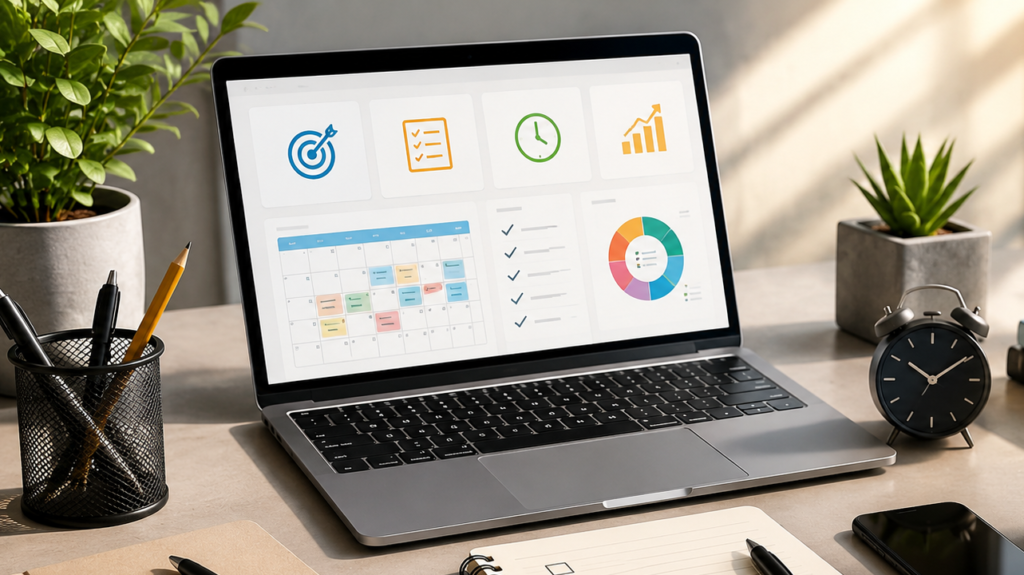
Productivity is not about filling every minute of the day with tasks. It is about using your time wisely, staying focused on what matters, and creating simple systems that make everyday work easier.
Whether you are a student, professional, business owner, freelancer, or someone managing daily responsibilities, better productivity can help you accomplish more without constantly feeling overwhelmed. The right habits, tools, and approach can make a noticeable difference.
Understand Where Your Time Goes
One of the first steps toward better productivity is understanding how you currently spend your time.
Many people lose valuable hours to unnecessary meetings, social media, notifications, repeated tasks, and constantly switching between activities. Tracking your routine for a few days can help reveal where your time is going.
Once you identify common distractions, you can make practical changes. Even removing a few unnecessary activities from your day can create more time for important work.
Prioritize Important Tasks
A long to-do list can make productivity feel harder instead of easier. Rather than treating every task as equally important, identify the work that has the greatest impact.
Start your day by choosing a few key priorities. These should be tasks that genuinely need your attention rather than small activities that simply make your list look shorter.
Completing important work first can create momentum and reduce the pressure of unfinished responsibilities.
Use Time Blocking
Time blocking is a simple method for organizing your day around specific activities.
Instead of working on tasks whenever you have time, assign certain periods to focused work, meetings, email, exercise, study, or personal activities.
For example, you might reserve your morning for important projects and use a later period for messages and administrative tasks.
Time blocking can reduce decision-making throughout the day and make it easier to protect your most productive hours.
Avoid Constant Multitasking

Multitasking can feel productive, but frequently switching between tasks can make it harder to concentrate.
When possible, focus on one important activity at a time. Complete a meaningful portion of that task before moving to something else.
Single-tasking is especially useful for activities that require concentration, such as writing, studying, planning, designing, or analyzing information.
Reduce Digital Distractions
Phones, notifications, social media, and unnecessary browser tabs can quickly interrupt your attention.
Consider turning off non-essential notifications during focused work. You can also place your phone away from your workspace when you need uninterrupted concentration.
Creating a distraction-free environment does not mean avoiding technology completely. It means using technology intentionally rather than allowing every notification to control your attention.
Create a Simple To-Do List
A useful to-do list should make your day clearer, not more stressful.
Instead of writing down every possible task, focus on the actions you realistically want to complete. Break large projects into smaller steps so that progress feels manageable.
For example, instead of writing “complete project,” divide it into research, outline, first draft, review, and final submission.
Clear tasks are easier to start and easier to finish.
Use Productivity Tools Wisely

Digital productivity tools can help with scheduling, note-taking, project management, reminders, communication, and collaboration.
However, using too many tools can create additional complexity. Choose tools that solve specific problems rather than collecting apps simply because they are popular.
A calendar can handle scheduling, a task manager can track responsibilities, and a notes app can organize information. Keeping your system simple often makes it easier to maintain.
Take Regular Breaks
Working continuously for long periods does not always lead to better results.
Short breaks can give your mind an opportunity to reset. Stand up, walk around, stretch, drink water, or simply step away from your screen for a few minutes.
Breaks can be particularly helpful during long study or work sessions because they provide a natural pause before returning to focused activity.
Organize Your Workspace
Your physical and digital environments can affect how easily you work.
A cluttered desk can make it harder to find things, while an overloaded computer desktop can make digital tasks more confusing.
Keep frequently used items accessible and remove unnecessary clutter. Organize files into clear folders and use consistent names so that important documents are easy to locate.
Learn to Say No
Productivity also involves deciding what not to do.
Taking on too many responsibilities can leave little time for important priorities. Before agreeing to another task, consider whether it is necessary, whether you have enough time, and whether it supports your current goals.
Saying no to low-priority activities can create space for work that matters more.
Automate Repetitive Tasks

If you repeatedly perform the same task, look for ways to simplify or automate it.
Templates, recurring reminders, scheduled emails, automated file organization, and other digital workflows can reduce repetitive work.
Automation does not need to be complicated. Even a simple template for frequently written messages can save time over weeks and months.Avoid Perfectionism
Trying to make everything perfect can slow progress.
Not every task requires the same level of detail. Learn to distinguish between work that needs careful attention and work that simply needs to be completed correctly.
Setting a clear definition of “done” can help prevent unnecessary revisions and reduce wasted time.
Plan for Tomorrow
A few minutes of planning at the end of the day can make the next morning easier.
Review what you completed, identify unfinished priorities, and decide what needs attention next.
Starting the day with a clear plan reduces the time spent deciding what to do and allows you to begin with greater confidence
Improve Your Focus
Focus is one of the most valuable productivity skills.
Before beginning a task, decide exactly what you want to accomplish. Remove unnecessary distractions and give yourself a realistic amount of time.
Some people prefer working in short focused sessions followed by breaks, while others prefer longer uninterrupted periods. Experiment with different approaches and find what works best for your routine.
Build Sustainable Habits
Productivity is not a one-day challenge. The most useful improvements usually come from habits that can be maintained over time.
Start with one or two changes instead of completely redesigning your routine. You might begin by creating a daily priority list or turning off unnecessary notifications.
Once the habit becomes natural, add another improvement.
Balance Productivity and Well-Being
Being productive does not mean working constantly.
Sleep, movement, relaxation, relationships, and personal time are important parts of a sustainable routine. Ignoring these areas can eventually reduce energy, concentration, and motivation.
A balanced approach allows you to work effectively while still making time for the rest of your life.
FAQ’s
1. What is the best way to improve productivity?
Start by prioritizing important tasks, reducing distractions, and creating a simple daily routine.
2. Does multitasking improve productivity?
Usually, focusing on one important task at a time can improve concentration and reduce unnecessary task switching.
3. Are productivity apps useful?
Yes, when they solve a specific problem such as scheduling, task management, or organizing information.
4. How can I avoid distractions while working?
Turn off unnecessary notifications, limit social media, and create a dedicated workspace for focused tasks.
5. How can I save more time every day?
Prioritize high-value tasks, automate repetitive work, organize your schedule, and avoid unnecessary activities.