
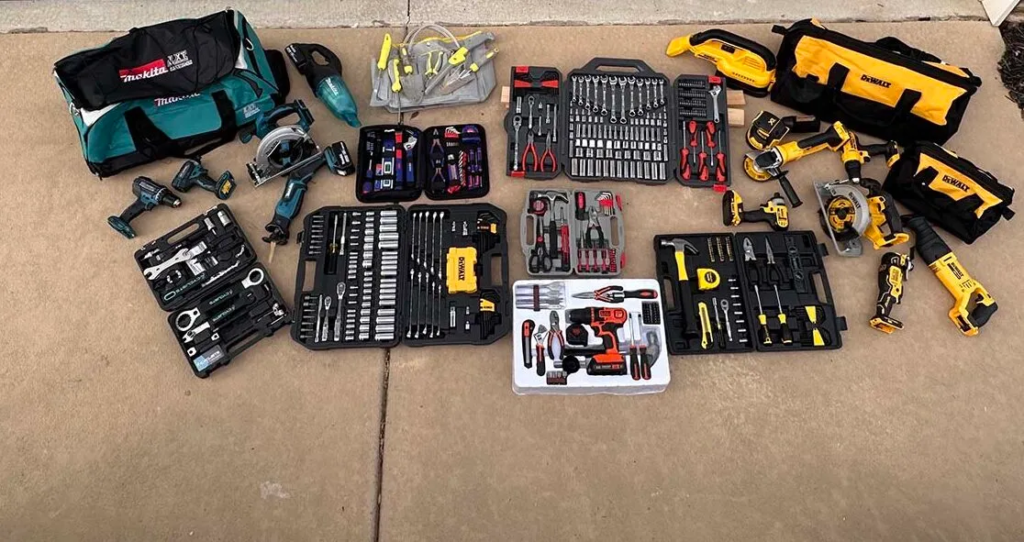
The right tools can make everyday tasks easier, improve the quality of your work, and save valuable time. Whether you are working on a home improvement project, repairing something around the house, maintaining a garden, or handling professional jobs, choosing reliable tools is an important investment.
With so many hand tools, power tools, accessories, and specialist equipment available, deciding what to buy can sometimes feel overwhelming. A tool may look impressive, but that does not necessarily mean it is the right choice for your needs. Understanding quality, performance, durability, comfort, and value can help you make better purchasing decisions.
This guide explores the most important things to consider when choosing tools and equipment, along with practical buying tips for beginners, DIY enthusiasts, and professionals.
Why Choosing the Right Tools Matters
Good tools are more than simple equipment. They can influence how efficiently and safely a task is completed.
A quality screwdriver can provide a better grip and reduce the chance of damaging a screw. A well-designed drill can make installation projects faster. Reliable garden equipment can reduce effort when maintaining outdoor spaces.
The right tool should match the job. Buying the most expensive option is not always necessary, but choosing extremely cheap equipment simply because it costs less can sometimes lead to poor performance or a shorter working life.
Think about how frequently you will use the tool, what type of work you will perform, and which features genuinely matter to you.
Hand Tools Every Toolkit Should Have
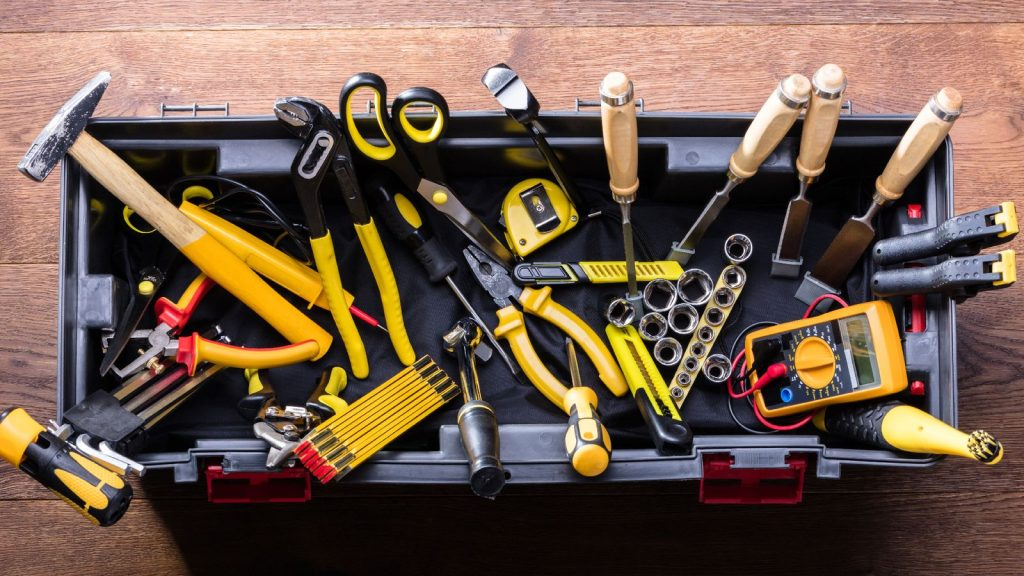
Hand tools are among the most useful items for homes, workshops, and professional environments. They do not always require electricity or batteries, making them convenient for quick repairs and simple projects.
Screwdrivers
A selection of flat-head and Phillips screwdrivers is useful for furniture assembly, household repairs, electronics-related tasks, and general maintenance.
For frequent use, look for comfortable handles and durable tips. A screwdriver set with multiple sizes can be more practical than purchasing individual tools.
Hammers
A good general-purpose hammer is useful for assembling furniture, driving nails, light construction work, and various household tasks.
The weight and handle design matter. A hammer that feels balanced in your hand can make repetitive work more comfortable.
Pliers
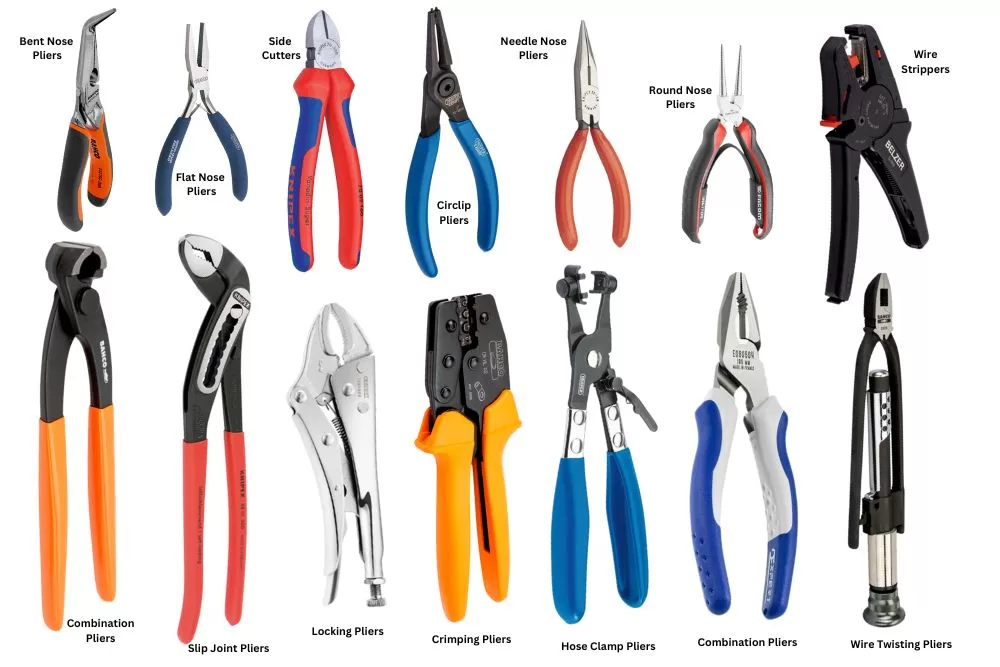
Pliers are useful for gripping, twisting, bending, cutting, and holding materials. Different types are designed for different jobs, including combination pliers, long-nose pliers, and cutting pliers.
If you regularly work on repairs, having several types available can be helpful.
Measuring Tools
Accurate measurements are essential for many projects. A reliable tape measure is one of the simplest but most valuable tools you can own.
For more detailed work, a spirit level, square, or digital measuring device may also be useful.
Power Tools for Faster Projects
Power tools can make demanding jobs quicker and more efficient. They are particularly useful when working with wood, metal, masonry, or other materials.
Cordless Drills
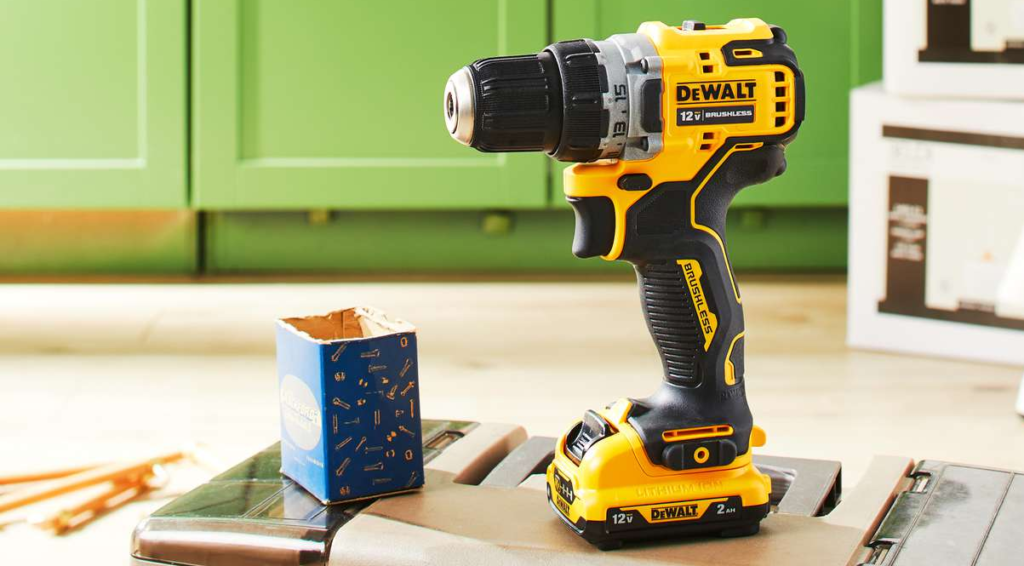
A cordless drill is one of the most versatile power tools for DIY and home improvement. It can be used for drilling holes, assembling furniture, installing fixtures, and driving screws.
When comparing cordless drills, consider battery voltage, torque settings, speed control, chuck type, weight, and battery life.
If you already own cordless tools from a particular manufacturer, choosing compatible batteries may also save money and reduce the number of chargers you need.
Circular Saws
Circular saws are designed for cutting materials such as wood and sheet goods. They can be useful for construction, woodworking, and larger DIY projects.
Before buying one, consider cutting depth, blade size, power, weight, and available safety features.
Angle Grinders
Angle grinders can be used for suitable cutting, grinding, polishing, and surface preparation tasks. They are powerful tools that require appropriate protective equipment and careful handling.
Choose a model based on the materials and applications you expect to work with, and always follow the manufacturer’s safety instructions.
Garden Tools and Outdoor Equipment
Garden maintenance becomes easier when you have the appropriate equipment.
Basic gardening tools can include a spade, rake, hand trowel, pruning shears, garden fork, watering equipment, and suitable storage.
For larger gardens, powered equipment such as lawnmowers, hedge trimmers, leaf blowers, or other specialist tools may save considerable time.
Before buying garden equipment, consider the size of your outdoor space, storage requirements, maintenance needs, noise levels, and power source.
What to Look for in Tool Quality

Tool quality is not determined by one feature. Several factors can indicate whether a product is likely to perform well.
Materials
Durable materials can contribute to a tool’s strength and longevity. Look at the construction of handles, blades, shafts, housings, and other important components.
Build Quality
Check whether the tool feels solid and well assembled. Loose parts, poor finishing, or uncomfortable controls may be warning signs.
Ergonomics
A tool should feel comfortable in your hand, particularly if you plan to use it for extended periods.
Look for handles that provide a secure grip and designs that make the tool easy to control.
Reliability
For tools used regularly, reliability is often more important than having the largest number of features.
A straightforward tool that consistently performs its intended task can be more valuable than a complicated product with features you rarely use.
How to Compare Tools Before Buying

Reading product specifications is useful, but it should not be the only part of your research.Start by identifying your actual requirements. Consider the type of material you will work with, how often you will use the tool, and the level of precision or power required.
Then compare several models rather than choosing the first product you find.
Pay attention to:
- Performance
- Durability
- Weight
- Ergonomics
- Battery or power requirements
- Accessories included
- Warranty
- Replacement parts
- Maintenance requirements
- User reviews
- Overall value
A tool with a slightly higher purchase price may offer better long-term value if it lasts longer or performs significantly better.
Read Reviews Carefully
Online reviews can be useful, but they should be evaluated thoughtfully.
Look for reviews from people who used the product for a similar purpose. A tool that receives positive feedback for occasional household jobs may not be suitable for demanding professional use.
Pay attention to repeated comments about durability, battery life, comfort, performance, and reliability.
Do not focus only on star ratings. Read both positive and negative reviews to understand the product’s strengths and limitations.
Consider the Total Cost

The purchase price is only one part of the cost of owning a tool.
For power tools, consider batteries, chargers, blades, bits, discs, and other accessories. Some specialist tools may also require replacement components or regular maintenance.
A cheaper tool may become more expensive over time if accessories are costly or replacement parts are difficult to find.
Before buying, consider how much the tool will cost to use and maintain over its expected lifespan.
Corded vs Cordless Tools
Both corded and cordless tools have advantages.
Cordless tools offer excellent mobility and are convenient when working away from power outlets. Modern battery systems can also allow multiple tools to share compatible batteries.
Corded tools can provide continuous power without needing to stop and recharge. They may be particularly suitable for long projects where mobility is less important.
The best choice depends on where you work and how frequently you use the tool.
Professional Tools vs DIY Tools
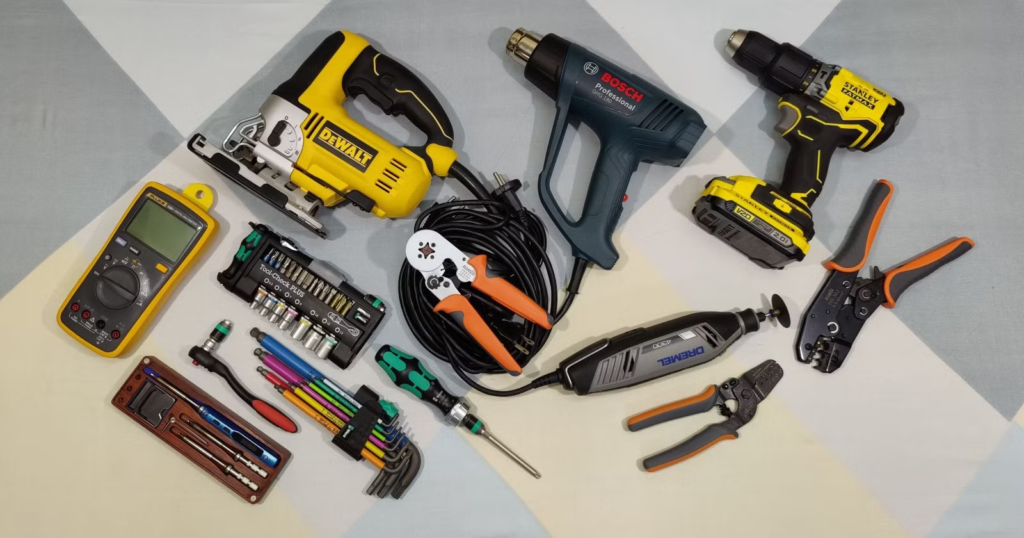
Professional users often need equipment capable of handling frequent and demanding workloads. Durability, precision, repairability, and long-term reliability can therefore be especially important.
For occasional DIY projects, a mid-range tool may provide everything you need without the cost associated with professional-grade equipment.
Before paying extra for advanced features, ask yourself whether you will actually use them. Buying based on your real requirements can help avoid unnecessary spending.
Safety Should Always Come First
Tools can make work easier, but improper use can cause serious injuries.
Always read the manufacturer’s instructions before using unfamiliar equipment. Wear appropriate protective equipment such as safety glasses, gloves, hearing protection, or respiratory protection when required for the task.
Keep tools clean and properly maintained. Inspect cables, batteries, blades, guards, handles, and other components for damage before use.
Never remove safety guards or use equipment in a way that conflicts with the manufacturer’s instructions.
For power tools, make sure the work area is clear and stable, and keep children and other people away from active work zones.
Keep Your Tools Organised
Good organisation can make your tools easier to find and protect them from unnecessary damage.
Toolboxes, storage cabinets, wall-mounted organisers, and dedicated workshop storage can all help.
Keep sharp or delicate tools protected, and store power equipment according to the manufacturer’s recommendations.
Cleaning tools after use can also help prevent rust, corrosion, and premature wear.
When Should You Replace a Tool?
A tool does not necessarily need to be replaced simply because it is old. If it remains safe, functional, and suitable for the job, it may continue to provide excellent service.
However, replacement may be appropriate when a tool becomes damaged, unreliable, excessively worn, or unsafe.
For power equipment, damaged cables, cracked housings, malfunctioning switches, or failing safety features should be taken seriously.
Sometimes replacing a frequently used tool is also worthwhile when a newer design offers significant improvements in comfort, efficiency, or safety.
Build Your Toolkit Gradually
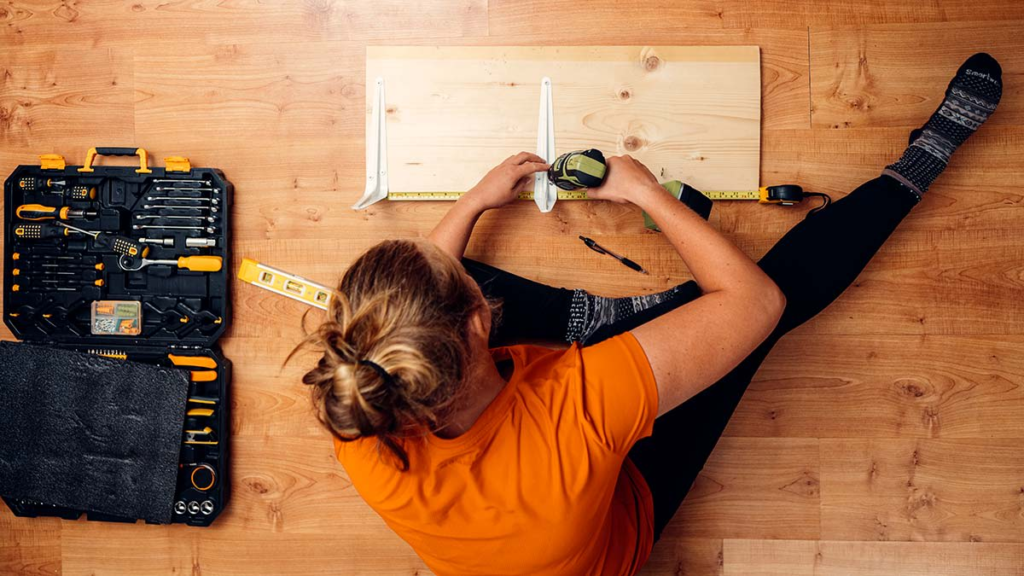
You do not need to purchase an entire workshop at once.
Start with essential tools that match the projects you regularly complete. A basic toolkit might include screwdrivers, pliers, a hammer, tape measure, utility knife, adjustable wrench, level, and suitable fasteners.
As your skills and projects develop, add specialised tools when you have a genuine need for them.
This approach can help you avoid spending money on equipment that sits unused.
Final Buying Tips
Before purchasing any tool or equipment, ask a few simple questions:
What job will I use it for?
How often will I use it?
Do I need professional-grade performance?
What accessories or consumables will it require?
Is it comfortable and safe to operate?
Can replacement parts be found easily?
Does the warranty provide useful protection?
Are independent reviews generally positive?
Answering these questions can make the buying process much easier.
FAQ’s
1. How do I choose the right tool?
Consider the job, frequency of use, quality, comfort, and budget.
2. Are expensive tools always better?
Not always. Choose tools that offer the right quality and features for your needs.
3. What tools should every home have?
A hammer, screwdrivers, pliers, tape measure, wrench, and utility knife are useful basics.
4. Should I buy corded or cordless tools?
Cordless tools offer mobility, while corded tools provide continuous power.
5. How can I make tools last longer?
Clean, maintain, store, and use your tools according to the manufacturer’s instructions.